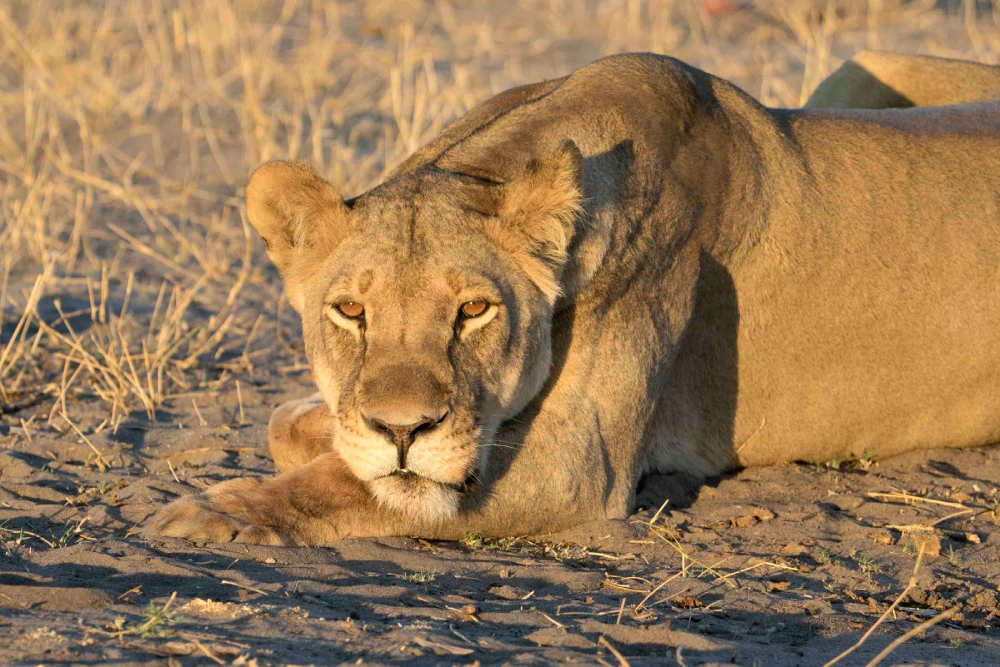
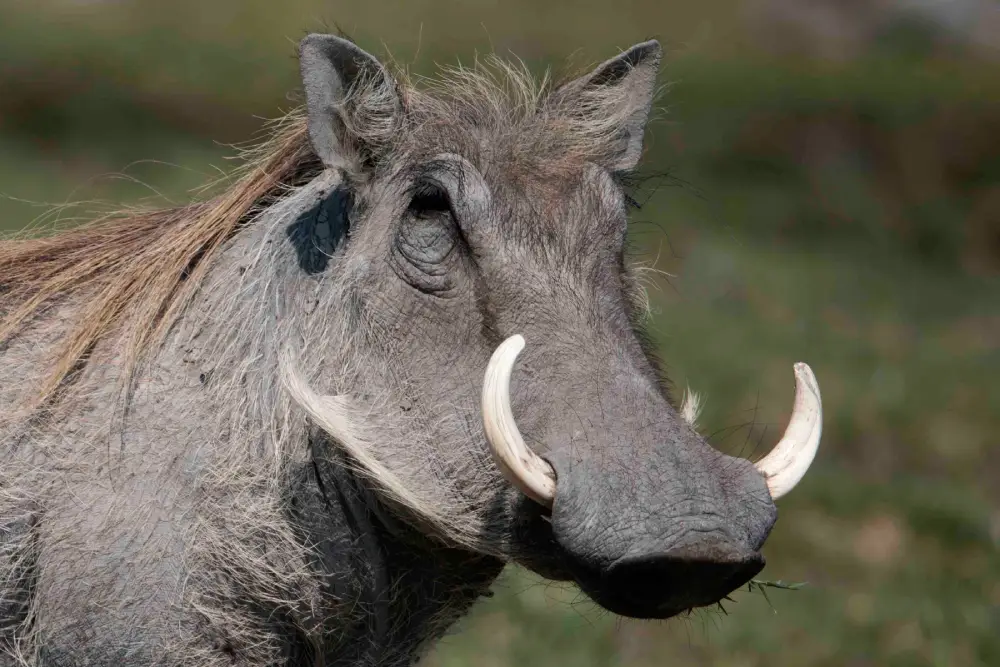
The temperatures this year spiked earlier than usual accompanied by frequent hot, dry winds. While the vegetation took on a skeletal look in the majority of areas, the new life of Spring slowly became evident.
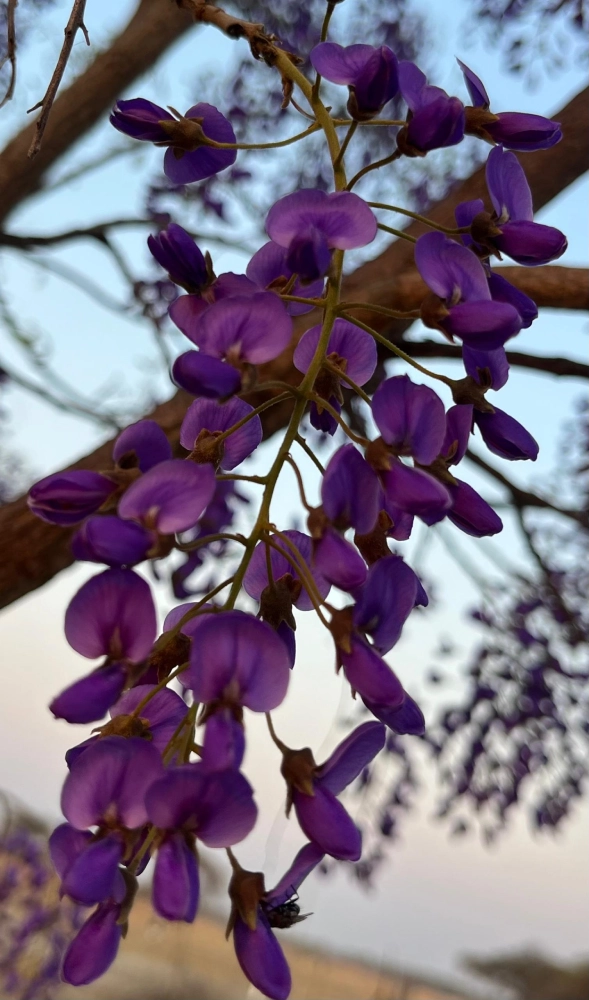 The Rain trees (Philenoptera nelsii) bloomed into a mist of gorgeous lilac, delicate mauve buds of the Tree wisteria (Bolusanthus speciosus) magically unfurled, while the Acacias (Vachelia tortillis and Vachelia erioloba) burst into a mass of brilliant yellow pompoms, their deep green leaves punctuating the tree lines. Down the powerlines, the Terminalia pushed out new shoots and the Combretums came to seed.
The small critters started to stir and awaken. A chorus of frogs was to be heard come evening with the screech of cicadas filling the days. The first migrant Yellow Billed Kite (Milvus aegyptius) made an appearance early in September while on the Dete Vlei, a Red Chested Cuckoo (Cuculus solitarius) heralded the return of the avian migrants.
As the temperatures rose steadily during October, all living creatures wilted under sweltering heat and pressure on the landscape mounted to almost unbearable levels. At this time of year, the harsh sun prickles every hide, burns every last spot of exposed skin pink, and drives every creature, large and small, deep into the shadows. High water demand pushes the solar pumps to their limits and the parched landscape drives desperate souls to poaching.
This brings with it the threat of bush fires that can destroy huge tracts of vital grazing. Fires are often intentionally set by poachers to open up the bush for better hunting, and to draw animals in when the ashen ground begins to flush with new green growth. A lightning strike towards the air strip at Manga 3 caused a fire that burnt a good portion of the block. Teams from ZimParks, with our logistical support, were deployed in firefighting. Luckily, the onset of a cool evening with little breeze allowed the blaze be brought under control and die out. The Gwayi ECA and Ngamo areas saw two large fires caused by arson. Fortunately, those closest to these areas were able to assist and put down the flames before they threatened to jump the railway line into the Park.
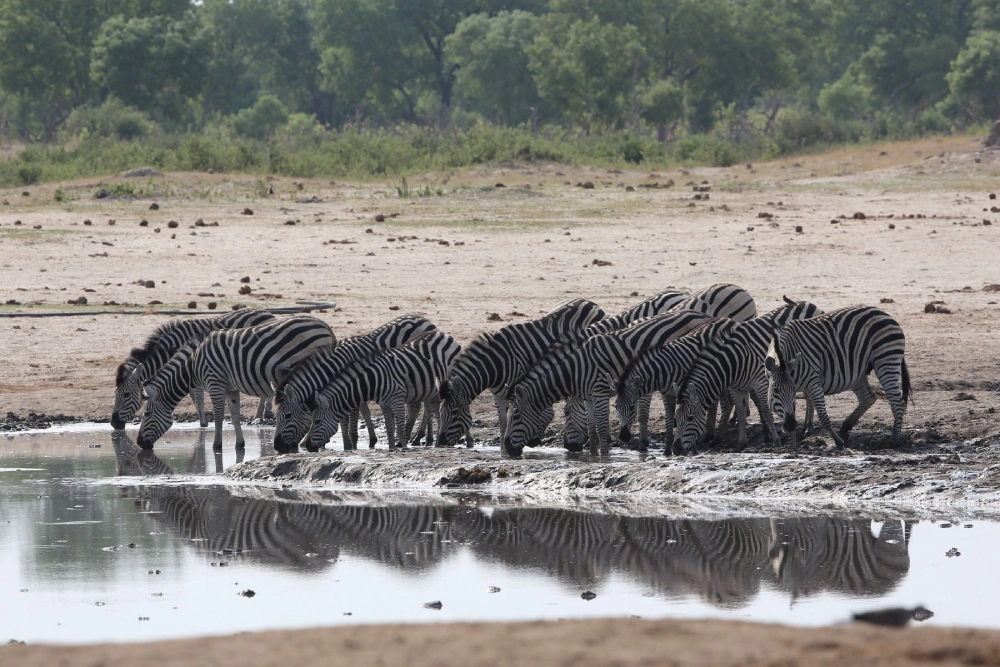
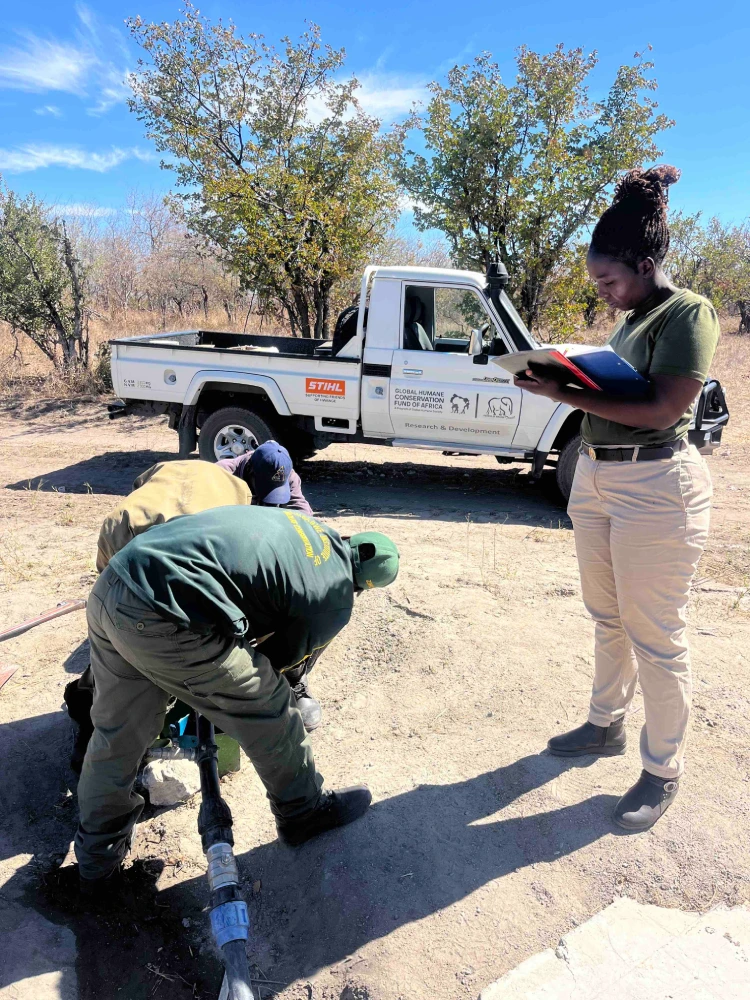
There has been no rest or respite for the FOH teams. Jason and his game water team have been kept constantly busy reacting to reports of solar pump breakdowns. Re-setting inverters for maximum efficiency, replacing faulty ones, attending to burned out pumps and damaged motors, repairing water pipes and electrical cables that pesky pachyderms see fit to rip out of the ground, and continued efforts to scoop and backfill the troughs have been the regular order of the day. FOH maintains more than forty boreholes in the Main Camp area, all of them equipped with solar pumping units and many with hybrid battery systems. This represents the major portion of the park that is home to roughly 60% of the elephant population during the dry season. Grateful thanks to Hwange Conservation Society, UK for their timely donation for the purchase of solar spares that went a long way to keeping the water pumps operational.
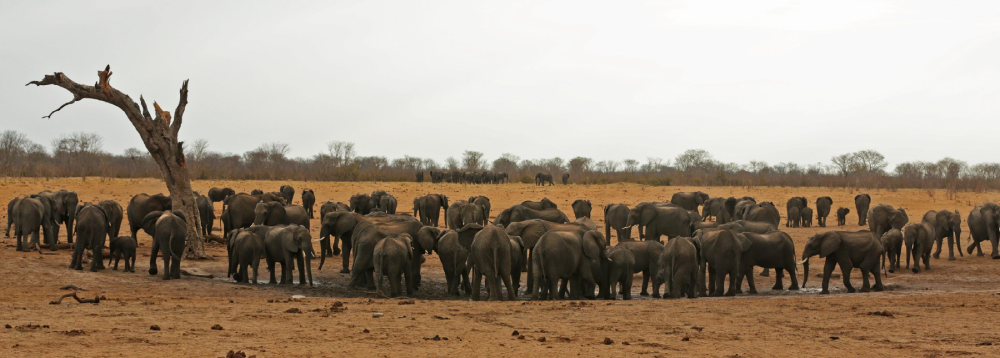
There was a minor panic caused by the battery at Manga 1 that swelled and burnt, and this in turn damaged the inverter. The necessary spares and hardware to repair it were hastily procured and installed. The inability to pump fresh water at Manga 1, even for just a few days, resulted in excessive elephant pressure at Jambile – the next pan along the line. Once depleted, because of intense demand, the pan struggled to recover and catch up.
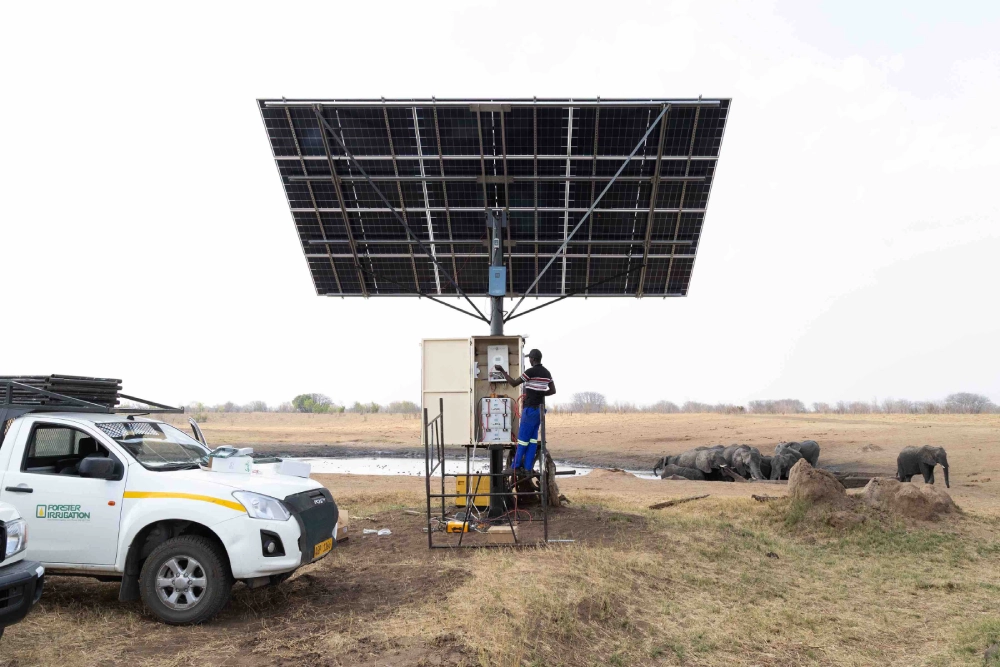 One of the solar arrays at Manga 3 pan became a point of contention. The airstrip being used by a private camp close by was deemed to have been established too close to the existing array and the Civil Aviation Authority of Zimbabwe (CAAZ) refused to renew the license. The offending array was hurriedly dismantled, immediately placing the pan under huge stress. The FOH team jumped into action urgently and transferred the system to the second existing array, thereby pumping two boreholes off a single array. Upgraded solar panels and a hybrid battery system were installed in early October.
Manga 3 is an absolutely key pan that supports water for hundreds of thirsty elephants and other wildlife daily, so quick and efficient action was critically important. Massive appreciation is due to Duncan Owen and Izelle le Roux of the EverEden Foundation for stepping up to the plate to foot the bill at short notice.
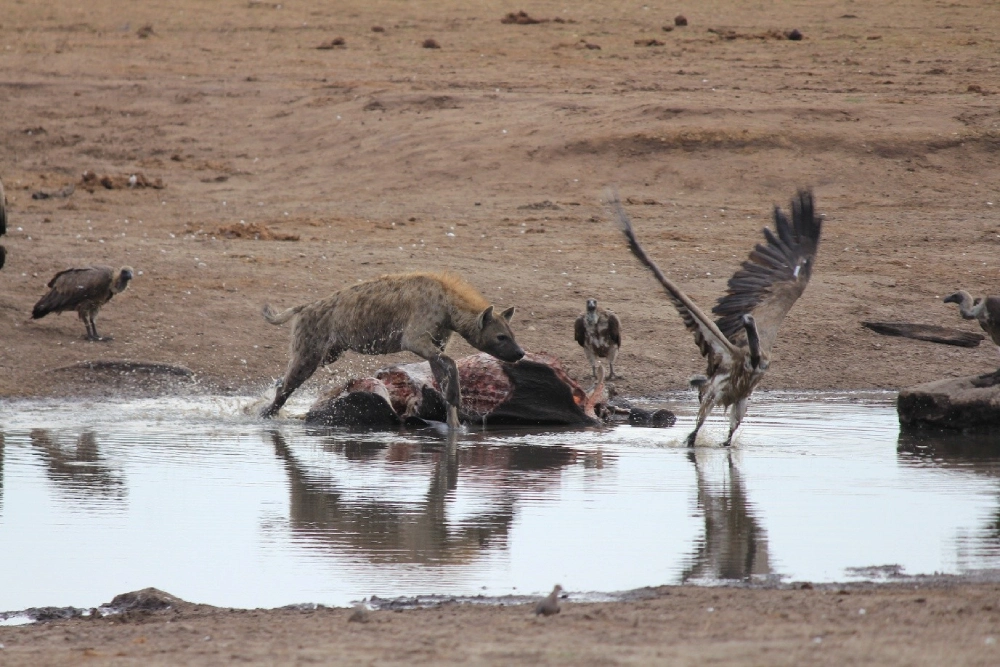
This was the first season that many of the new hybrid battery systems were tested against the brutality of the relentless seasonal heat, and for the most part, their performance was stellar. In general, the water situation has been satisfactory with most pans holding their own. There have been only two elephant fatalities reported in the Main Camp region this season, both juveniles that succumbed to heat exhaustion. Hyena, black-backed jackals and vultures made short work of their remains.
Anti-Poaching
Albert Paradzai and his rangers continue to patrol along the boundaries of the Hwange National Park. From Chokomela to Dete town and its surrounds and through areas of the Gwayi Environmental Conservation Area (ECA), places that are being regularly patrolled are yielding far fewer snares which is heartening, but in some new areas, hundreds of snares set for birds and plains game are being collected.
 Recent collaborative efforts with the Hwange Rural District Council (HRDC) and the Forestry Commission resulted in the bust of numerous Charcoal traders with many bags of Charcoal being seized. The arrest of four illegal fish traders in the Deka area yielded the recovery of both fresh and dried fish.
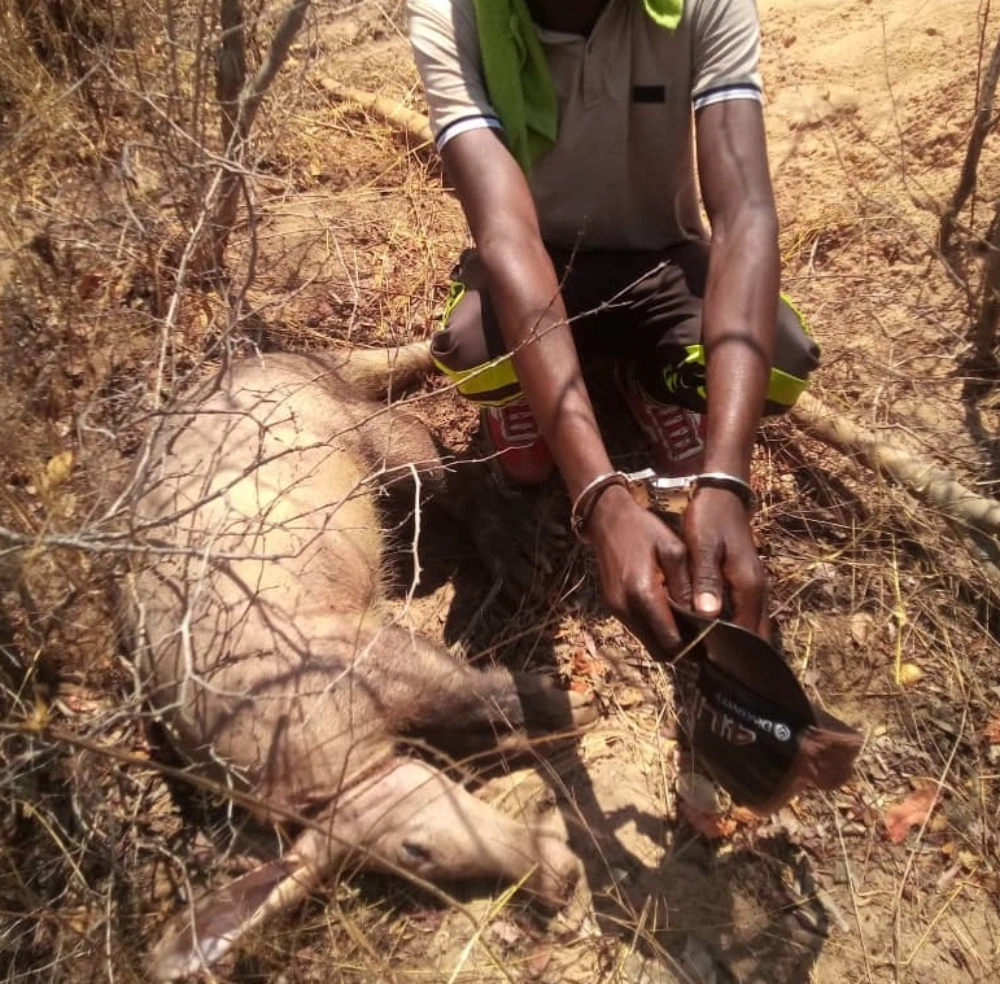
A significant win was a joint operation with Painted Dog Conservation (PDC) where a tip off led to the arrest of a poacher who had snared an aardvark. Unfortunately, the information came too late to save the precious creature, but on follow up, the poacher was caught, tried and sentenced to twelve months in jail.
The Mambanje area on the Park’s northern boundary looms large as a major problem “hot spot”. Villagers graze their livestock in Hwange National Park and on the periphery, thereby increasing the likelihood of Human Wildlife Conflict. Retaliatory killing of carnivores often follows depredation of livestock placed in poorly constructed village bomas for protection at night.
Along the Mambanje River, commercial hunting for bushmeat is rife, using dogs and wire snares. This occurs on the buffer state land and in Hwange National Park by both legal and illegal settlers. The meat is sold in the community and further afield.
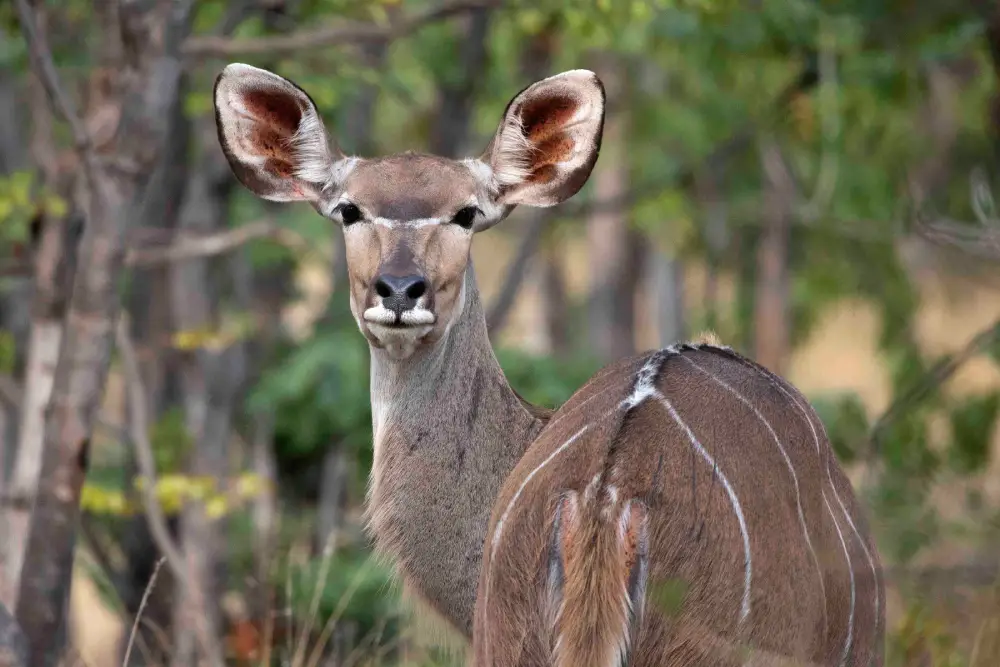
The area is poorly policed with no anti-poaching teams currently involved in any form of active law enforcement. FOH, accompanied by HRDC rangers, has made efforts to patrol this area on occasion when as many as seventy wire snares per day have been located and removed. Prey species targeted include kudu, bushbuck, waterbuck, impala, buffalo and more.
In early 2026, in collaboration with the HRDC, Friends of Hwange aims to establish a strategic base in Mambanje and step up patrol intensity. There is also need to remove the remaining superfluous copper telephone wires from the area, as these provide a ready source of material with which to make snares.
The Wildlife Ranger Challenge that took place during Sept 2025 in the Gwayi ECA was a joyous, well-attended event. Our ranger team scored a very commendable result coming second amongst the Hwange ranger group. The event was created in 2020 and is held annually to raise funds and awareness around the fantastic work carried out by rangers throughout Africa. We were late in our enrolment this year, nevertheless, the comradery and potential shown by our rangers heralds great promise for 2026.
-
- Weigh in – 22 kg pack
-
- On the move…
-
- Prize for our star athlete
Friends of Hwange has been involved in many other activities some of which include the following:
 Transport in collaboration with ZimParks for inspection photos of water pans in the Main Camp region to document and compare the difference in the levels of water at the end of the wet season and dry seasons.
- Assistance to ZimParks with the road game count surveys.
- Facilitating Wildcru/Hwange Lion Research (HLR) with large carnivore and spoor transect surveys in the Gwayi ECA.
- The clearance of remote roads, together with the Harare 4 x 4 Club, to facilitate a camera trap survey across the Hwange landscape. This is being undertaken in a collaborative effort between HLR and ZimParks. The survey will be a valuable evaluation of the state of wildlife species across the ecosystem.
- Assistance in erection of the camera traps for the HLR survey.
- Monthly transport for litter collection on the First Friday Clean-up Campaign each month.
- Assisting the ZimParks ecology team with a giraffe survey in the Gwayi ECA.
In short, FOH steps up to the plate whenever and wherever possible.
The first downpour of the season occurred towards the end October 2025 and was greeted with a great sigh of relief. Since then, regular rain showers have fallen, the recovery of the vegetation is remarkable, most of the elephants have dispersed and the water pans are filling up steadily. As always, the alate emergence has been spectacular, providing rich bounty for countless wildlife species. Tortoises and chameleons have emerged and every puddle and pool, dip and hollow is bursting with new life.
Although the pressure is off as regards water provision, our work doesn’t slow down and neither do our expenses. Road maintenance is high on our agenda, poaching is an ever constant threat, staff must be fed and paid, vehicles and implements must undergo maintenance, and our stock of vital solar spares needs replenishing.
None of this work would be possible without the generosity of many people to whom we are inordinately grateful. However, our cash reserves have taken a hit, and with the season of giving approaching, please would you consider contributing towards our ongoing conservation efforts. Every little bit helps and is guaranteed to make a difference to the Wildlife in and around Hwange National Park.
Our most grateful thanks to you all.
Reporting: Paula Dell and Carmen McGregor
Image Credits: David Dell ans Carmen McGregor
We extend appreciation to ZimParks for their collaboration and assistance:
The Director General Professor Edson Gandiwa,
The Regional Manager, Senior Area Manager, Ground Staff and Game Water team at Main Camp