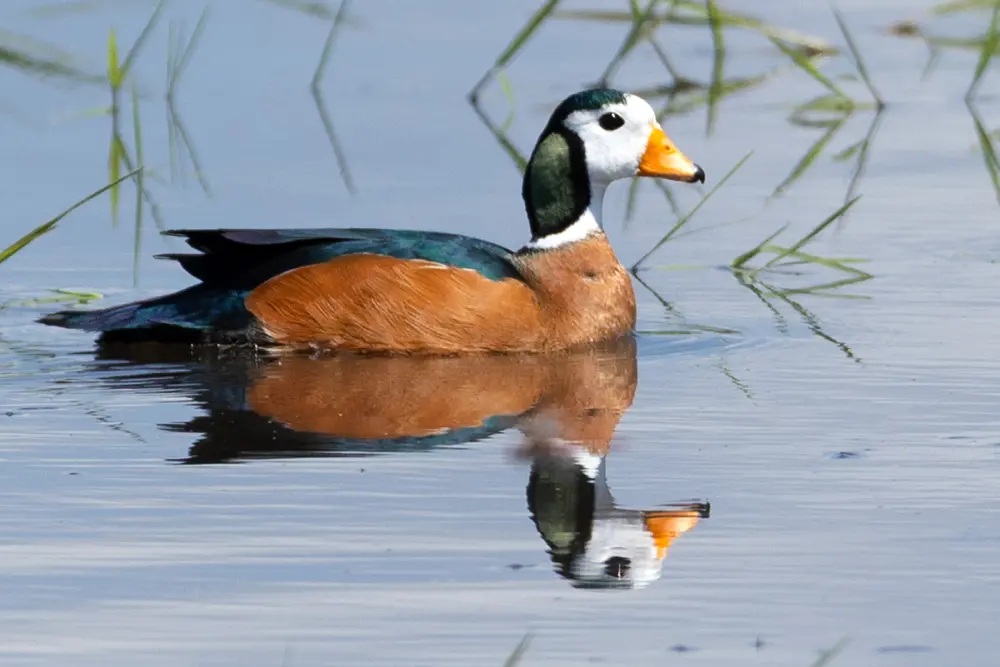
Torrential regional downpours have saturated the Southern African soils. At Hwange Main Camp, 326mm of rain was received during January bringing the seasonal total to 674mm. The rivers in the north of the park have been in flood, and at times some of the camps in the vast waterscapes of the southeastern areas have become marooned. Many tourist vehicles have had to be towed out of muddy quagmires to safety. The vegetation is abundant, the grass is sweet, the pans are full and the communities that live outside the national park are content.

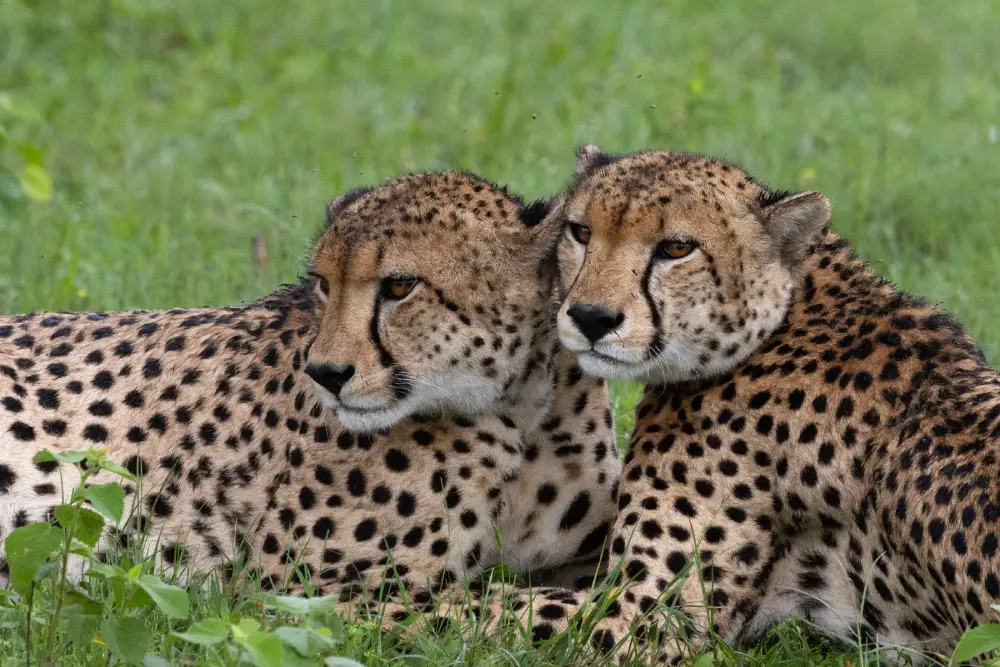
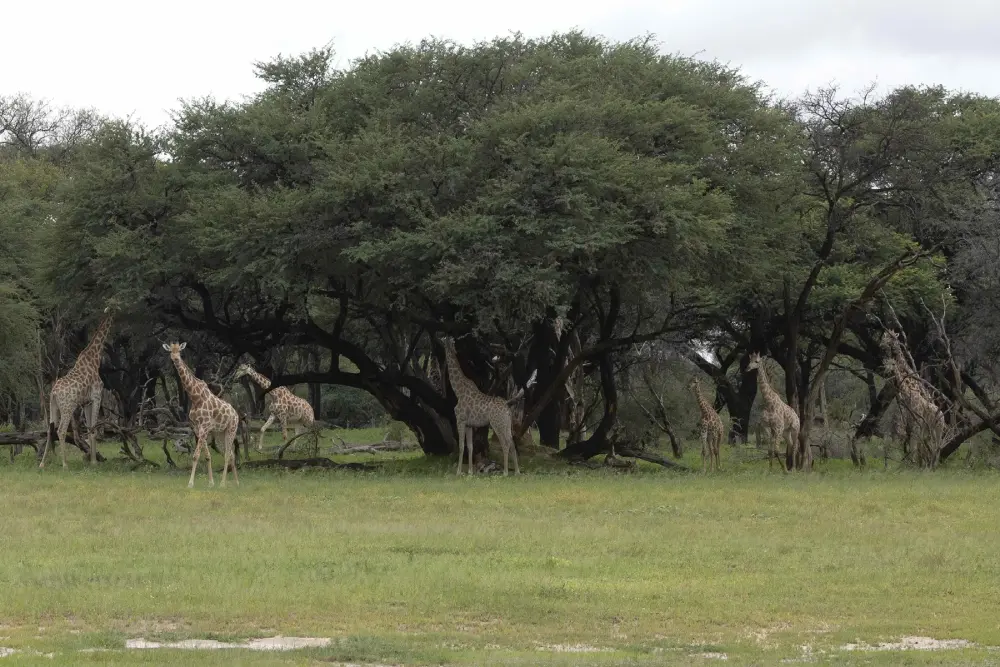
While finding game in extremely thick bush is tricky, the Ngamo plains in the green season can be likened to the Garden of Eden. Wildebeest have dropped their gangly, pale calves, impala herds abound, their dainty youngsters clustered in nursery groups, zebra dazzle the eyes against a verdant green landscape, giraffe, eland, kudu and elephant browse contentedly, and predators in the shape of lion, leopard, cheetah, hyena, jackal and painted dogs lurk in the shadows.

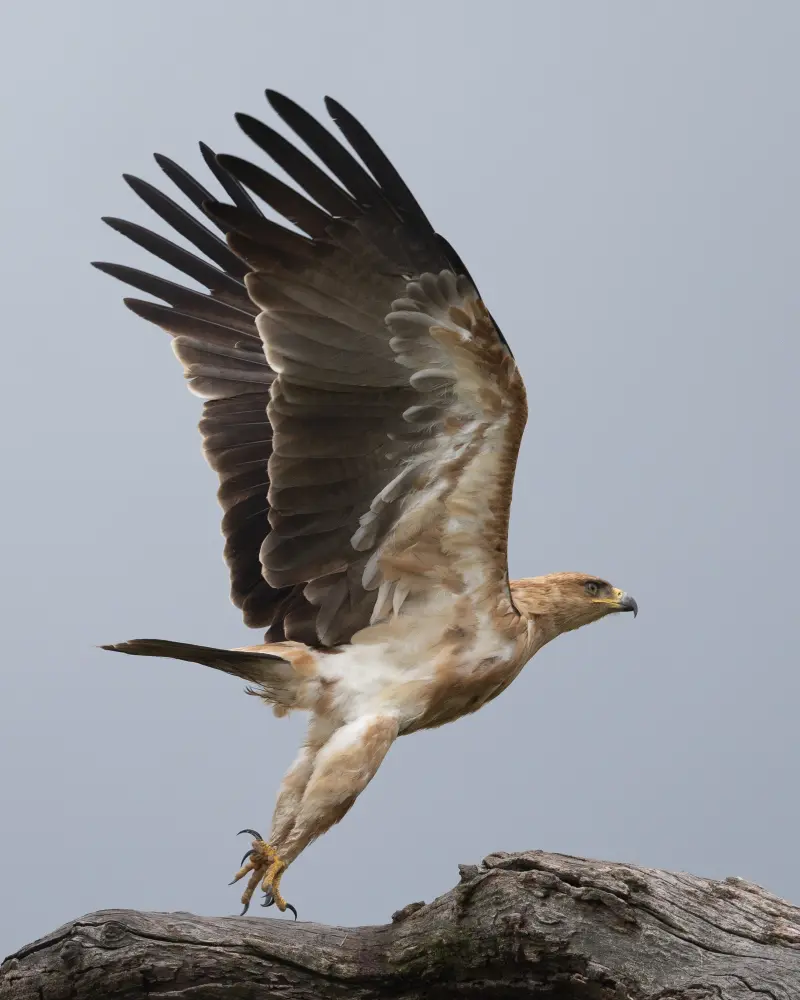
The green season is a time of abundance. While the plains game have their heads down gorging on green grass and tender shoots, myriads of termite colonies erupt with winged alates providing a feast for thousands upon thousands of Yellow-billed and Black Kites, Lesser spotted eagles, Amur falcons, Bee-eaters, Rollers and all manner of other critters. Nights are filled with a deafening frog chorus, and an explosion of tadpoles creates a further feeding bonanza particularly for storks and water birds. This is the season of plenty.

After a much-needed break over the holiday period, the FOH teams have pulled on their rain ponchos and set out to work whenever possible. Our Game Water team has been active repairing and maintaining roads as well as mowing the road verges and camp surrounds. The mower that WEZ Matabeleland Branch has made available was used for the first time. After an initial setback due to a short PTO shaft that required some modification, operations have gone fairly smoothly.
This is the time of year for maintenance of implements and vehicles:
 The rear suspension leaves of Landcruiser AGV 7049 were replaced with a spare set of reconditioned springs. This has done much to soften the suspension and improve the ride. The vehicle was serviced in house and is running well.
The clutch plate of our trusty Nissan, ADM 9680, was sent to Hwange town for refurbishment. The part has been returned and is awaiting refitting.
Landcruiser AGT 1925 was serviced, the forward leading arm bushes replaced and the brakes skimmed.
Landcruiser AGE 4772 has had its gearbox taken apart. The roller bearings were found to be worn so replacement parts were ordered and fitted. The vehicle has been fully serviced.
All implements and tractors have been assessed, repaired where necessary, greased, washed and made ready for action when needed.
 Jason and his team were requested to assist in clearing and opening the boundary road on the Nkonkoni Concession that is situated in an area alongside the railway line in the Gwayi Environmental Conservation Area. The team completed 34kms of fireguard and road in a week. Unfortunately, the sidewall of a rear tractor tyre was badly damaged by a stump that was hidden in dense foliage. Attempts to repair it are being undertaken in the hopes of salvaging the tyre.
Although the pans are full, the solar water pumps are kept active to prevent blockage of pipes due to siltation and some systems have shown faults. The pumping times at Makwa kept falling out of sync due to a faulty battery within the inverter. This was swapped out for a new one.
Nyamandhlovu appeared to have been struck by lightning despite comprehensive measures including breakers, fuses and earth rods in place to avoid direct lightning strikes to the solar arrays.It seems that due to high ground saturation the old steel casing in the borehole conducted a lightning power surge through to the motor, up the cable and thence to the inverter, all of which were destroyed – an unfortunate situation, and a problem that is tricky to arrest. The entire system has since been repaired.
The game water team has worked hard to keep the outlets to the pans clear and have scooped ans cleaned the troughs. Surface runoff can block outlet pipes resulting in pump motors burning out. This is the time of year we take stock of and replenish vital solar spares that will be needed later during the year.

Resource Protection
A meeting was held with Hwange Rural District Council to discuss a work plan for 2026 to include participation in collaborative community projects, measures to address Human Wildlife Conflict. and education of the youth that live in close proximity to wildlife.
Our scouts have been patrolling outside the Park’s boundaries. Twenty-six wire snares were found and removed recently close to Dete town. Most rewarding was the successful rescue and release of a live, snared female bushbuck that ran off safely into the thick undergrowth.
 During sustained periods of wet weather our rangers have been trained in standard radio procedures, including learning the NATO phonetic alphabet, practicing their skills on newly acquired radio devices.
Theory lessons have been conducted covering safety procedures in approaching dangerous game, and survival training on how to find food and water in the wilderness.
Much needed first aid training for both the game water and resource protection teams was generously sponsored by Panthera. Conducted by ACE, the course was held over two days at Main Camp. Participation and teamwork were excellent. The teams were taught basic first aid principles including treatment of acute bleeding and how to dress wounds. CPR procedures were demonstrated and practiced. These skills are critically important when operating in a remote environment.
A suitable site needs to be agreed to set up a prospective semi-permanent anti-poaching camp near Mambanje and the Tchokomela River outside the park’s northern boundary. Grateful thanks to Panthera, for sponsoring the tents and other equipment necessary for this venture.
Plans have begun to rehabilitate some derelict staff housing at Hwange Safari Lodge to create suitable barracks for the anti-poaching teams. A ten-year lease has been agreed with the option to renew for a further ten years. Suppliers have been identified for purchase of materials, and various quotes have been obtained to make the build as cost effective as possible.
We are delighted to welcome Su Maberly to the FOH management team. Su has experience in field-based conservation with skills that include grant writing, tender proposals, fundraising, donor relations, budgeting, financial reporting, stakeholder engagement and more. We look forward to working with Su.
Very sad to relay is the news of John Brebner’s passing on Fri 6 Feb 2026 after a short but extremely painful battle with cancer. John visited and supported Hwange National Park for more than six decades and was a valuable and interested FOH trustee. Being passionate about wildlife, he worked actively in various conservation circles for most of his life. His steadfast, loyal commitment and participation will be sorely missed by the conservation community at large. We extend heartfelt sympathy to John’s wife Jenny, his extended family, and to all those that held him dear.
“When good men die their goodness does not perish.”
Euripides

With all that FOH acts to accomplish, there is an ever-present need for funds, never more so than now. We are fully reliant on the goodwill of numerous donors without which the organisation would cease to function.
PLEASE CONSIDER A DONATION VIA THE BUTTON ON THIS WEBSITE
Finally, we extend appreciation to ZimParks :
The Director General
The Regional Area Manager
The Senior Area Manager and the staff on the ground at Main Camp in HNP.
Reporting Carmen McGregor and Paula Dell
Image credits: Carmen McGregor and Dave Dell