Overview
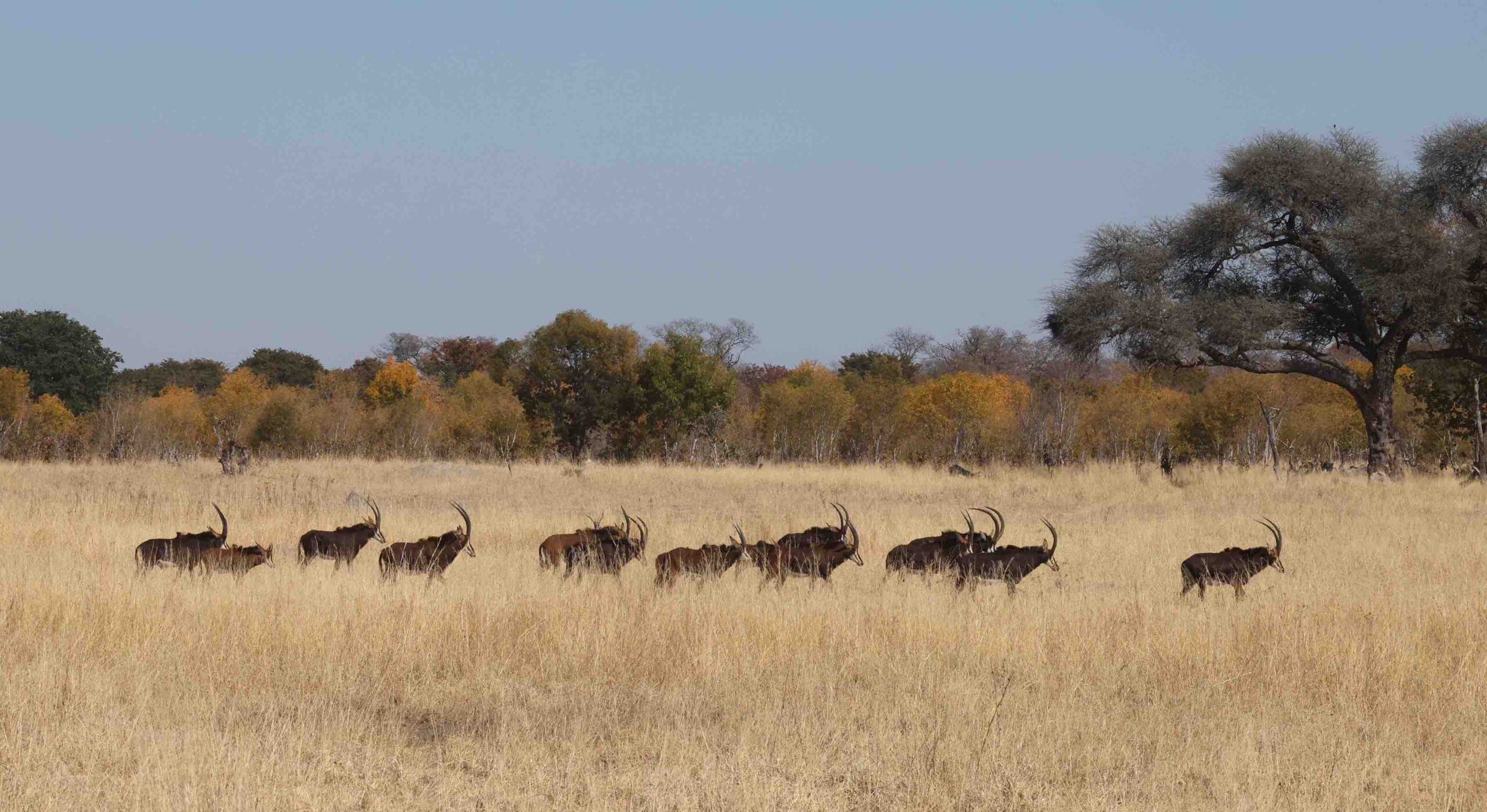
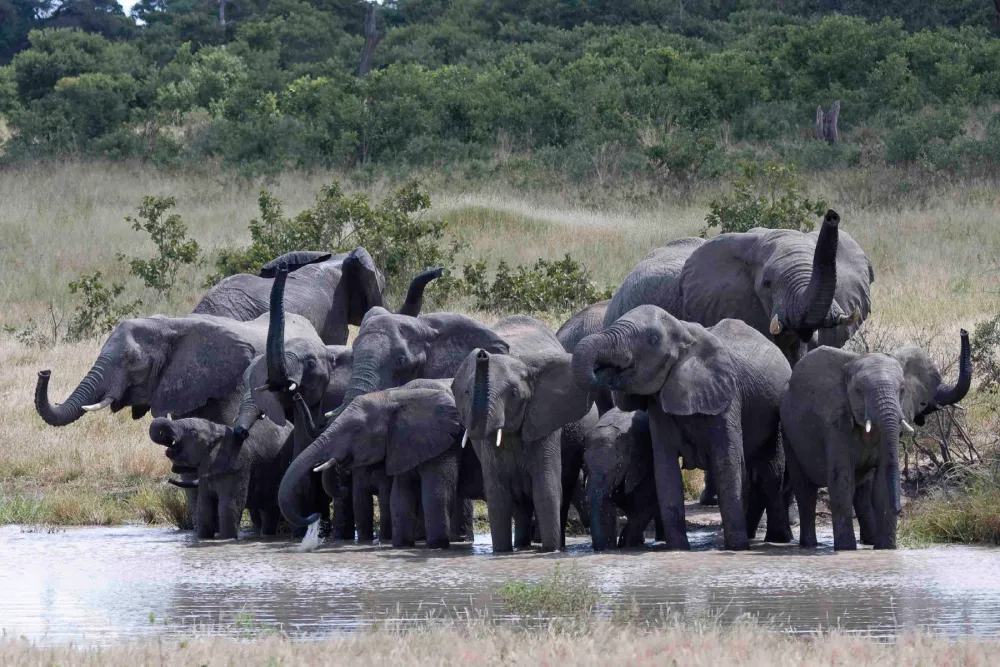
Established in 2005, Friends of Hwange (FOH) has, for the last twenty-two years, focused on developing and maintaining water resources in Hwange National Park (HNP) for the benefit of its wildlife in collaboration with the Zimbabwe Parks and Wildlife Management Authority (ZimParks). There is very little natural surface water available within the Park during the dry winter months (July – November) once the natural pans have dried up. As well as a plethora of animal species, HNP is one of the last remaining sanctuaries for wild elephants and the availability of water is key to their survival.
Funded entirely by the goodwill of donors FOH has been fortunate enough to find sufficient support to develop and maintain opportunities for the conservation of natural resources both inside and outside HNP. In 2025, FOH embarked on the formation and consolidation of a Resource Protection Unit to conserve and protect areas adjacent to HNP.
As we look back to 2025, we are grateful for all that we were able to achieve.
Water For Wildlife
The year began with two new installations of Hybrid battery systems at Garakamwe and Tshebe Tshebe pans, bringing the total number to fifteen hybridized boreholes. A hole was flushed out at Garakamwe and a new borehole was drilled at Shapi due to the old one collapsing. The solar panels were upgraded and replaced at the above-mentioned pans and the old ones were redistributed to the Main Camp Campsite to provide lights and alleviate some of the strain from unreliable electricity supplies.
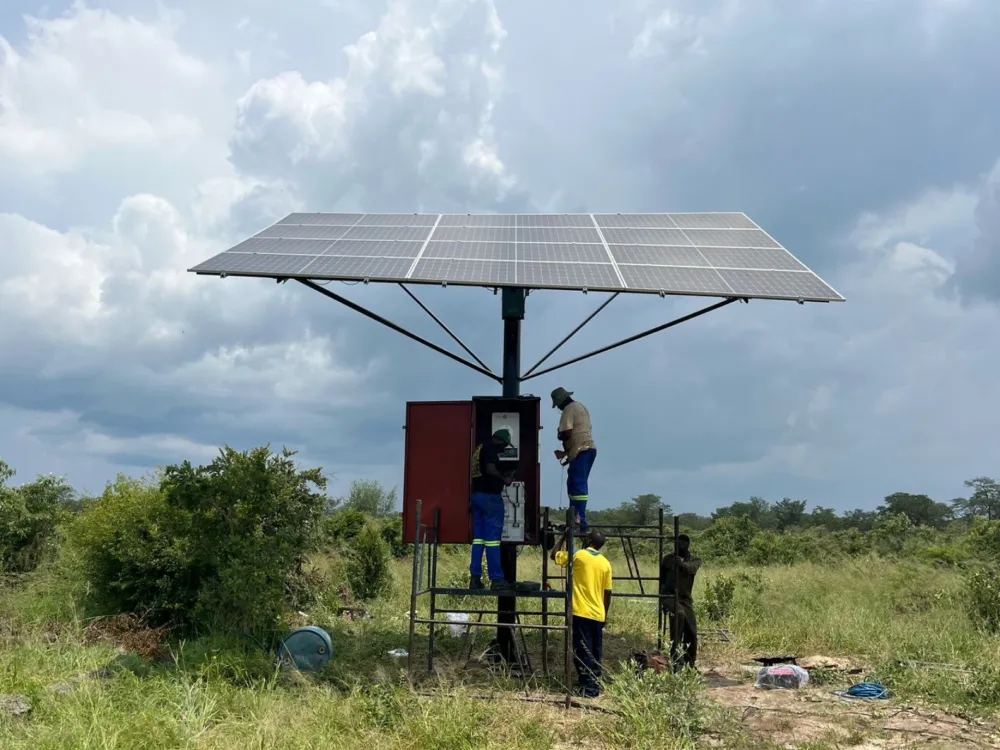 Later in the year, Manga 3 pan became a point of contention resulting in the installation of upgraded solar panels and a hybrid battery system. Appreciation is due to the EverEden Foundation for stepping up to the plate to foot the bill at short notice.
There was also a minor panic caused by the battery at Manga 1 that swelled and burnt, and this in turn damaged the inverter. The necessary spares and hardware to repair it were hastily procured and installed. This was the first season that many of the new hybrid systems were tested against the brutality of the relentless heat and for the most part, their performance was stellar. In general, the water situation was satisfactory with most pans holding their own.
There was little rest or respite for the FOH teams during the height of the dry season. Headed up by Jason Friend, our Game Water team was kept constantly busy reacting to reports of solar pump breakdowns. Re-setting inverters for maximum efficiency, replacing faulty ones, attending to burned out pumps and damaged motors, repairing water pipes and electrical cables and continued efforts to scoop and backfill the troughs were the regular order of the day.
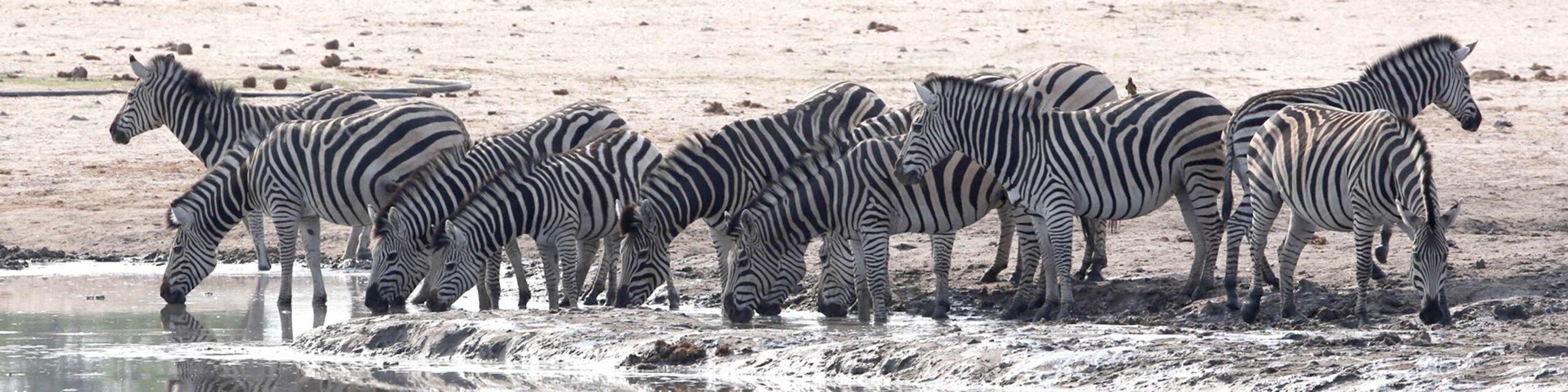
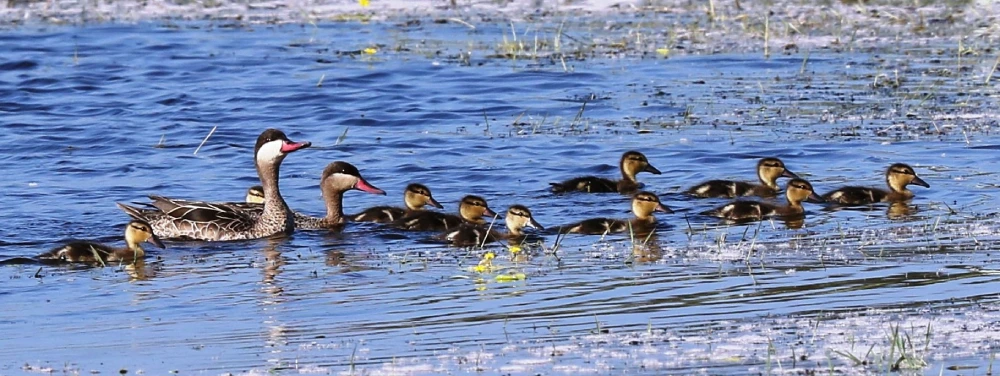
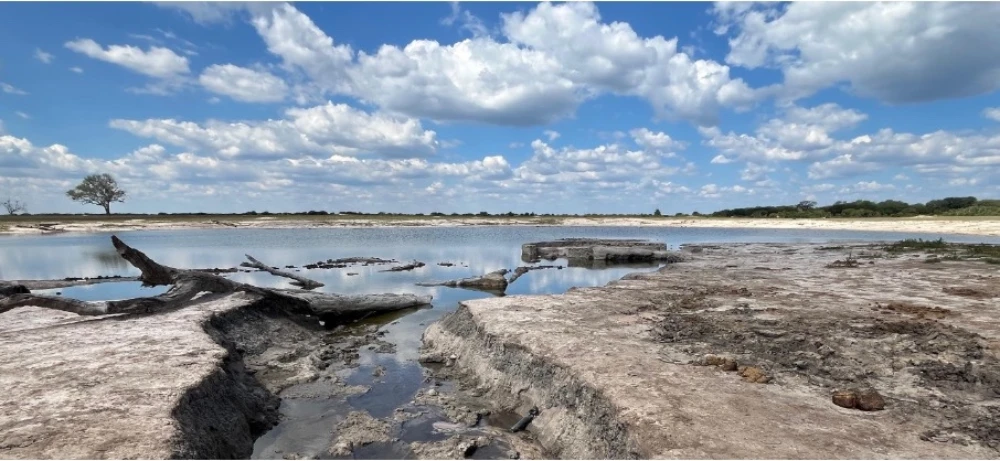
FOH maintains more than forty boreholes at twenty-two water points in the Main Camp area, all of them equipped with solar pumping units and many with hybrid battery systems. An estimated two million litres of water were pumped daily to satisfy the needs of circa fifteen thousand elephants, many herds of buffalo and various species of carnivores, plains game, birds, reptiles and insects, as well as the flora, fungi and other microorganisms that make up the Hwange ecosystem.
Fire Management
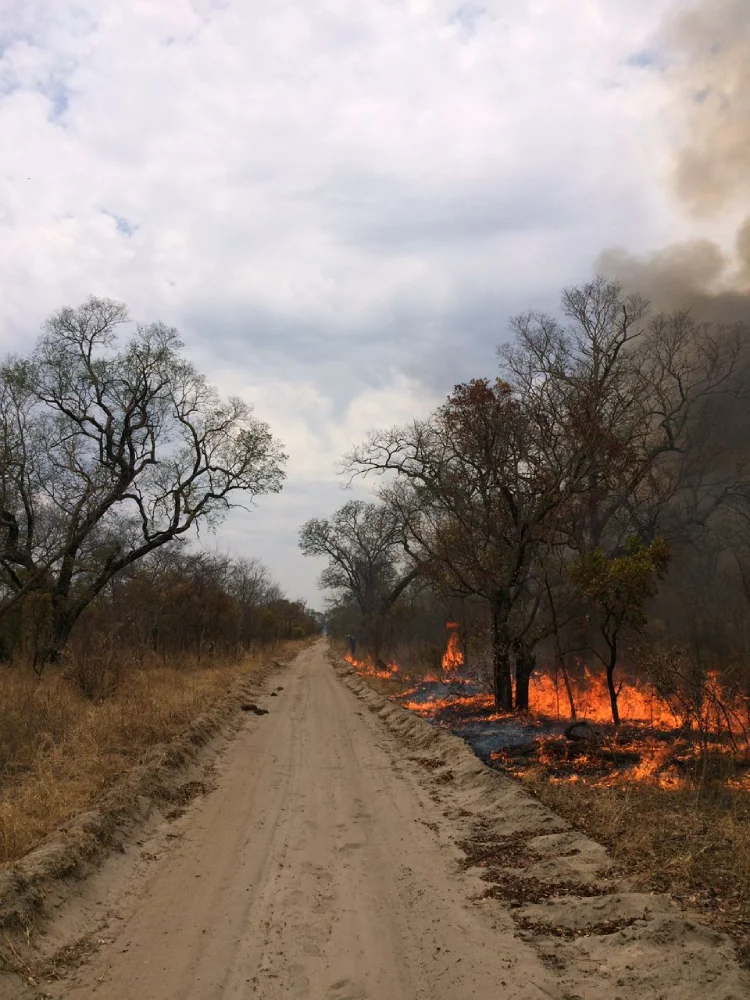
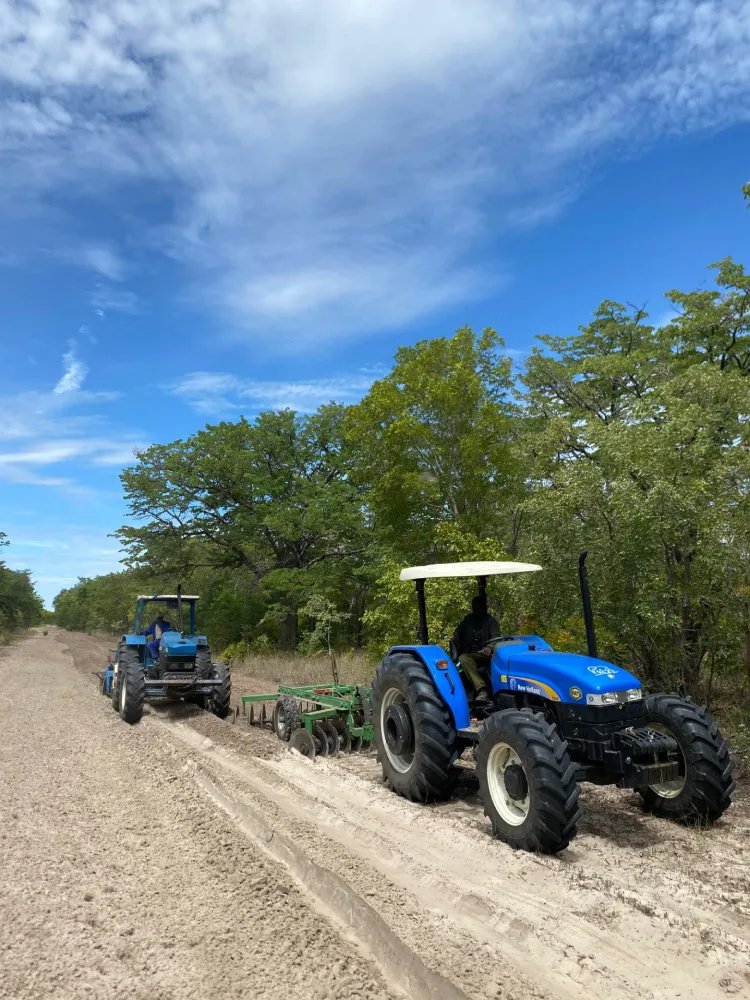 The intentional use of fire to manage land is a key tool for restoring natural ecosystems, improving habitats, forest health, and reducing the risk of wildfires by creating firebreaks to help prevent them from becoming raging infernos. In 2025, FOH undertook harrowing and burning of 230kms of firebreaks throughout HNP.
Assistance was rendered to control and put down several fires later in the year thereby saving vast swathes of grasslands and forests. To enable a quick and timely response to runaway fires, it’s vital to establish and agree clear protocols and to make sure that these are understood and agreed with all regional stakeholders.
Road Maintenance
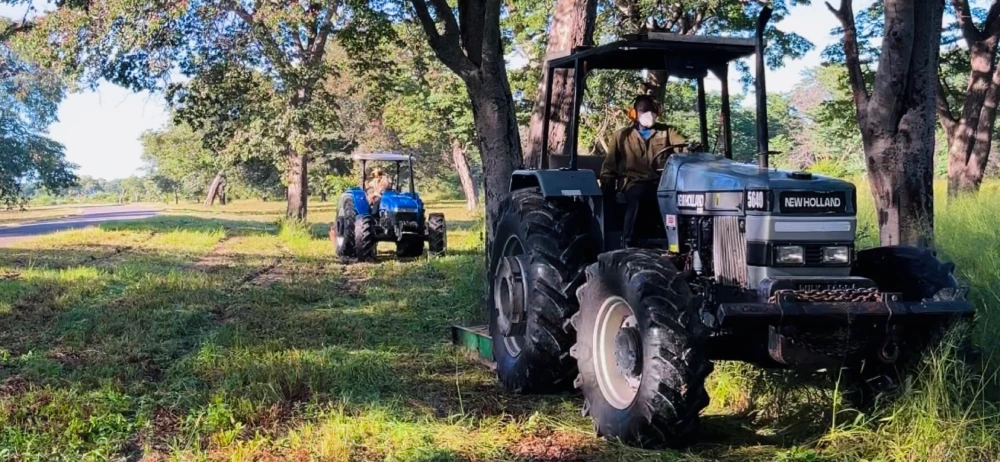
The major arterial routes and road networks in our area of operation were graded and dragged multiple times to maintain easy access. Over and above that, a total of 191kms of overgrown roads that have been out of use for years were re-opened.
During the wet season, the verges of the major roads were cleared and mown – a mammoth task but necessary for both road and wildlife safety and, hopefully, resulting in less road-kill.
Resource Protection
 In 2025, FOH embarked on the formation and consolidation of a Resource Protection team to conserve and protect areas adjacent to HNP. The primary focus has been the establishment of the Anti-Poaching Unit (APU), welcoming Albert Paradzai to head this up. Having spent many years in this landscape, Albert lost no time reconnecting with those who have remained in the area as well as establishing new links.
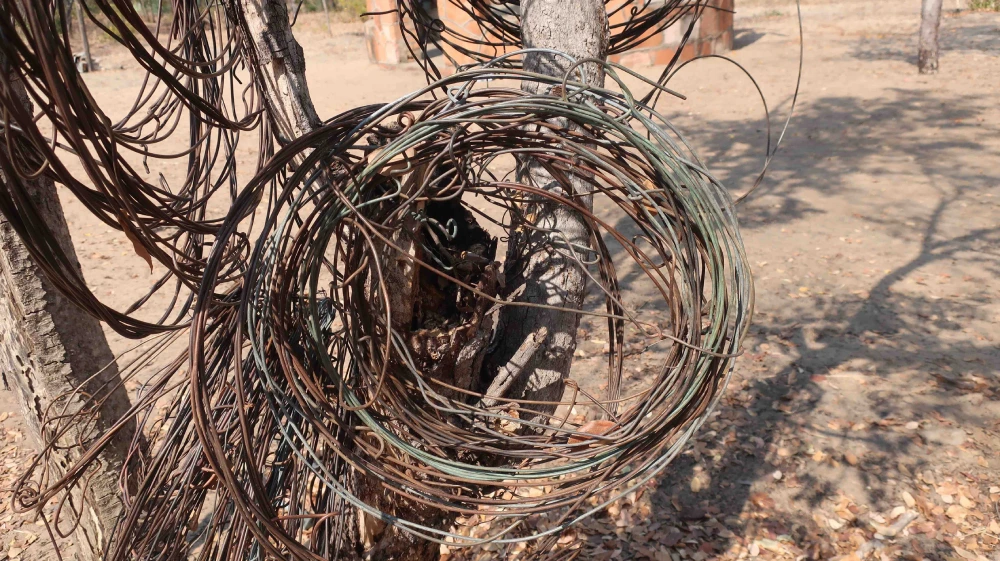
During 2025, a team of eight rangers was established to patrol the boundaries of Hwange National Park. From Chokomela to Dete and its surrounds and through areas of the Gwayi Environmental Conservation Area (ECA), places that are being regularly patrolled are yielding far fewer snares but, in new areas, hundreds of snares set for birds and plains game are collected. Recent collaborative efforts with the Hwange Rural District Council (HRDC) and the Forestry Commission resulted in the bust of numerous charcoal traders, and the arrest of illegal fish traders in the Deka area yielded the recovery of fresh and dried fish.
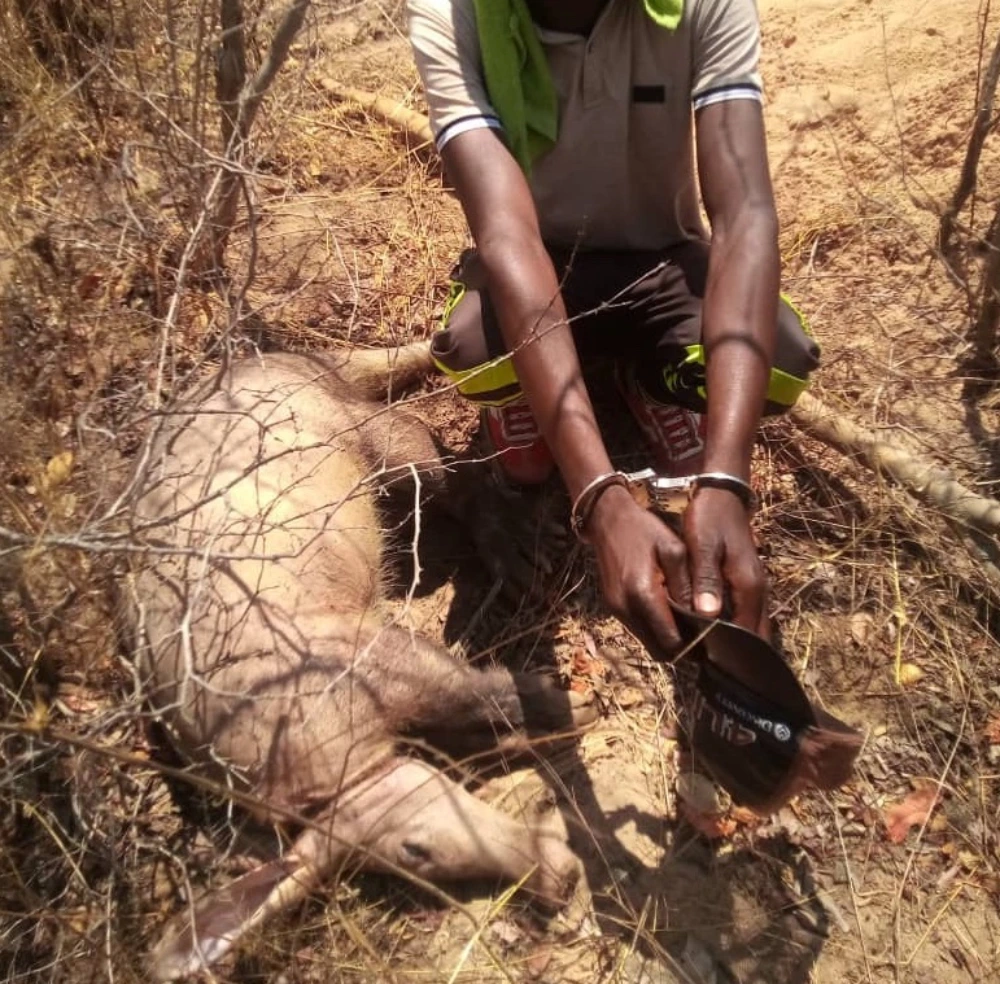 A significant win was a joint operation with Painted Dog Conservation where a tipoff led to the arrest of a poacher who had snared an Aardvark. Unfortunately, the information came too late to save the animal, but the poacher was tried and sentenced to time in jail.
The Mambanje area on the Park’s northern boundary looms large as a major problem “hot spot” and the area is poorly policed. Villagers graze their livestock in HNP and on the periphery, thereby increasing the likelihood of Human Wildlife Conflict. Retaliatory killing of carnivores often follows depredation of livestock. Commercial hunting for bushmeat is rife, using dogs and wire snares. This occurs on the buffer state land and in Hwange National Park by both legal and illegal settlers. The meat is sold in the community and further afield. FOH, accompanied by HRDC rangers, made significant inroads to patrolling there.
The Wildlife Ranger Challenge that took place during Sept 2025 in the Gwayi ECA was a joyous, well-attended event. Our ranger team scored a very commendable result coming second amongst their group. Created in 2020, the event is held annually to raise funds and awareness around the work carried out by Rangers throughout Africa.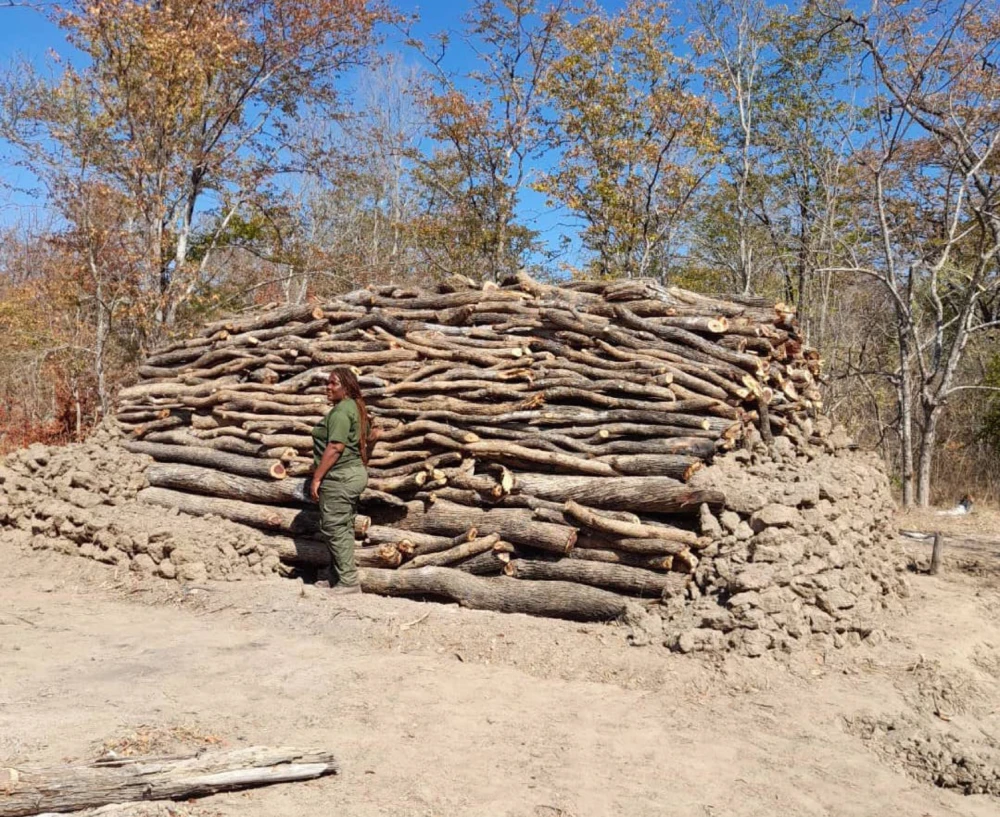
During 2025, our Anti-Poaching Rangers collected more than five hundred snares, made a bust of 276 bags of charcoal and apprehended 25 people. A Memorandum Of Understanding was signed with Hwange Rural District Council whilst major discussions have pioneered potential relationships for the greater Hwange landscape.
Other
FOH has been involved in many other activities that include the following:
Transport in collaboration with ZimParks for inspection photos of water pans in the Main Camp region to document and compare the difference in the levels of water at the end of the wet and dry seasons.
- Assistance to ZimParks with the road game count surveys.
- Facilitating Wildcru/Hwange Lion Research (HLR) with large carnivore and spoor transect surveys in the Gwayi ECA.
- The clearance of remote roads, together with the Harare 4 x 4 Club, to facilitate a camera trap survey across the Hwange landscape. This was undertaken in a collaborative effort between HLR and ZimParks. The survey is a valuable evaluation of the state of wildlife species across the ecosystem.
- Assistance in erection of the camera traps for the WildCru survey.
- Monthly transport and participation to collect litter in the towns and settlements bordering the national park on the First Friday Clean-up Campaigns each month.
- Assisting the ZimParks ecology team with a giraffe survey in the Gwayi ECA.
 The FOH teams together established a prolific nutritional garden which was of great benefit all through year providing fresh produce to supplement our teams’ rations. Our thanks to Hwange Conservation Society UK for the funds to make this happen.
We have participated in many surveys this year and formally objected to a mining proposition threatening Deka/Sinamatella as well as the proposed detour through Dete/Mpofu.
Personnel
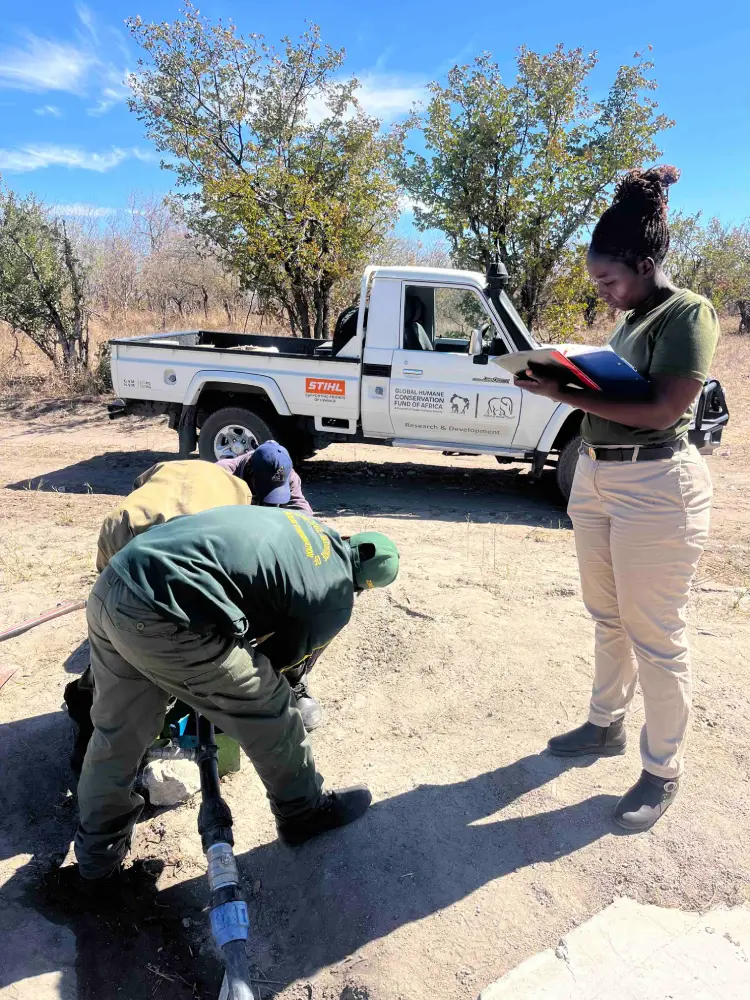
Carmen McGregor joined the FOH team in Jan 2025 to assist with administration and the logistics of keeping the Game Water and Resource Protection teams running efficiently, and to back up both the respective managers when needed. With generous assistance from Global Humane Conservation Fund of Africa, we provisioned her with a Landcruiser in good condition.
This allowed Carmen to engage with the National Parks ecological department and provided the opportunity to enhance our long-standing relationship with ZimParks.
We bade farewell to Gary Cantle after 17 years of loyal service to the FOH cause, a huge feat deserving of grateful thanks and the warmest wishes for his retirement in Vic Falls.
Financial Summary
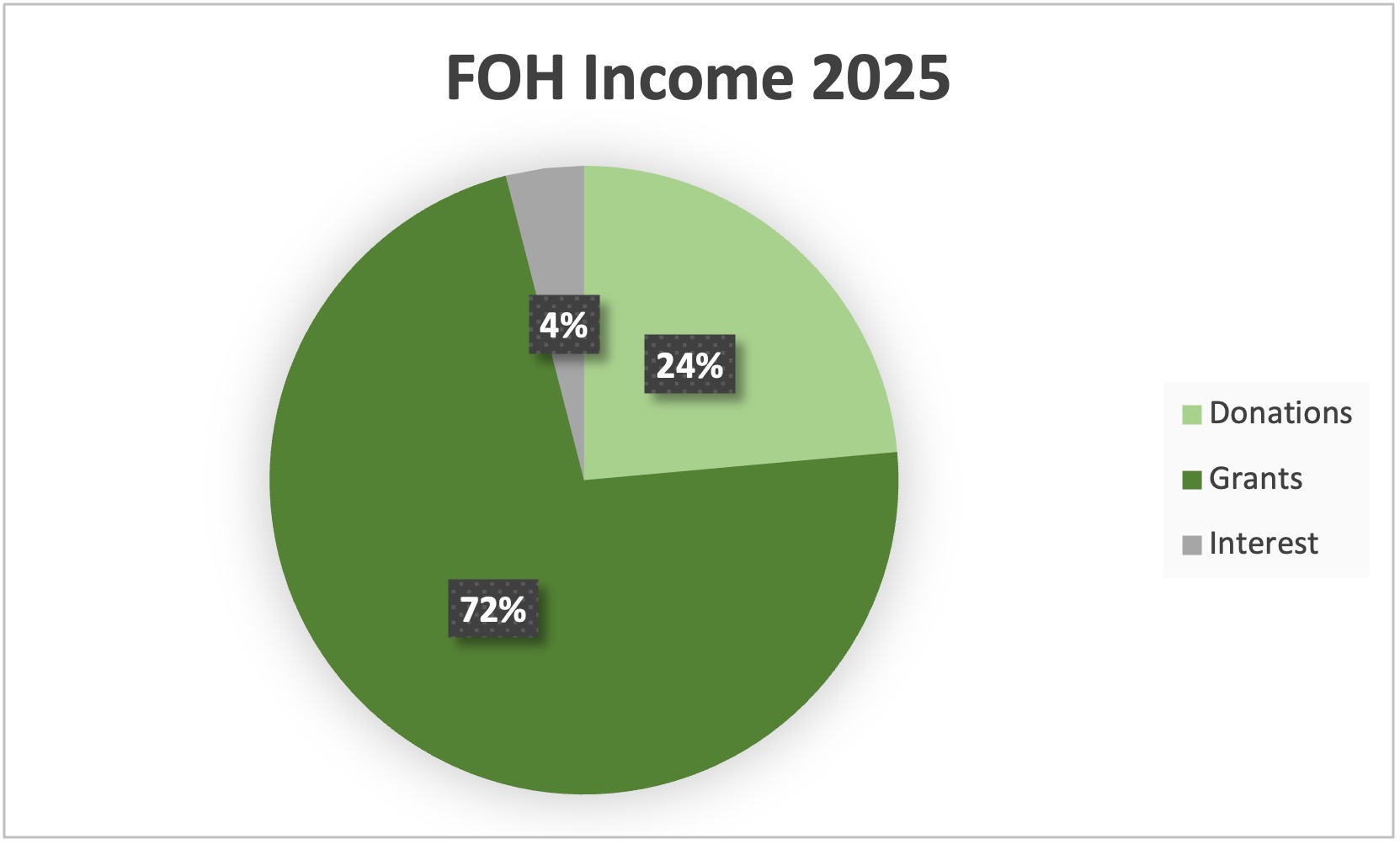
Total Income: $378,000. Friends of Hwange relies entirely on grants and donations for income.
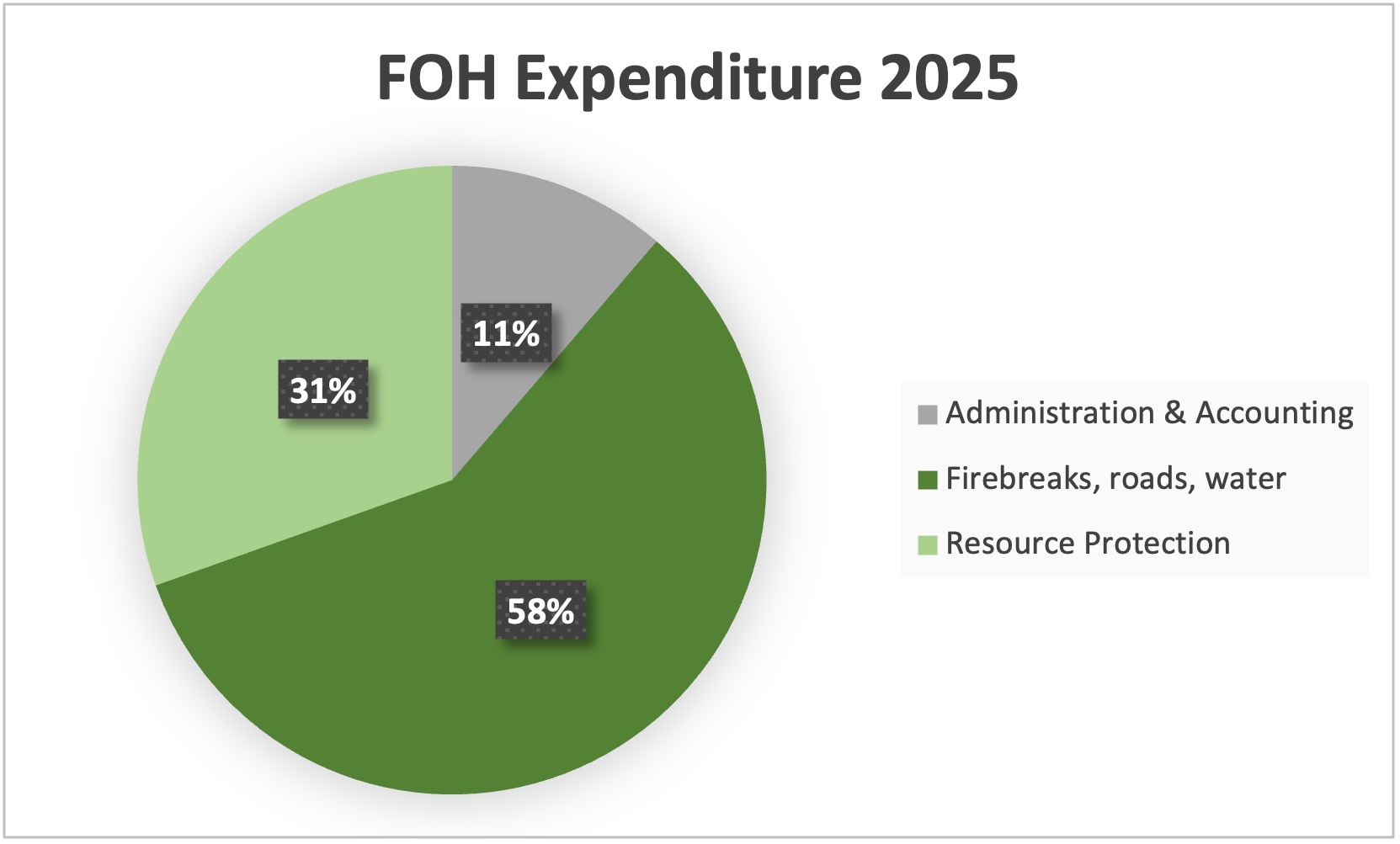
Total Expenditure: $336,000. Over 89% of expenditure was directed toward conservation activities (fire management, infrastructure, and resource protection), demonstrating a strong focus on field impact.
Surplus: $42,000 The organisation recorded a surplus of $42,000 in 2025, strengthening financial sustainability.
Conclusion
We cannot celebrate the highs without a few lows. We have seen the breakdown of machinery and boreholes, the rebuilding of a vehicle, the loss of some animals due to hunting and poaching and trees cut down; we have collected hundreds of snares and noted frequent illicit incursions into the protected areas. However, these are the driving forces behind why we are here. We walked hundreds and drove thousands of kilometers and wore our hearts on our sleeves countless times.
A big shout out to our countless loyal supporters and donors without whom Friends of Hwange would cease to exist. Every contribution, no matter the amount, helps to make a difference.